
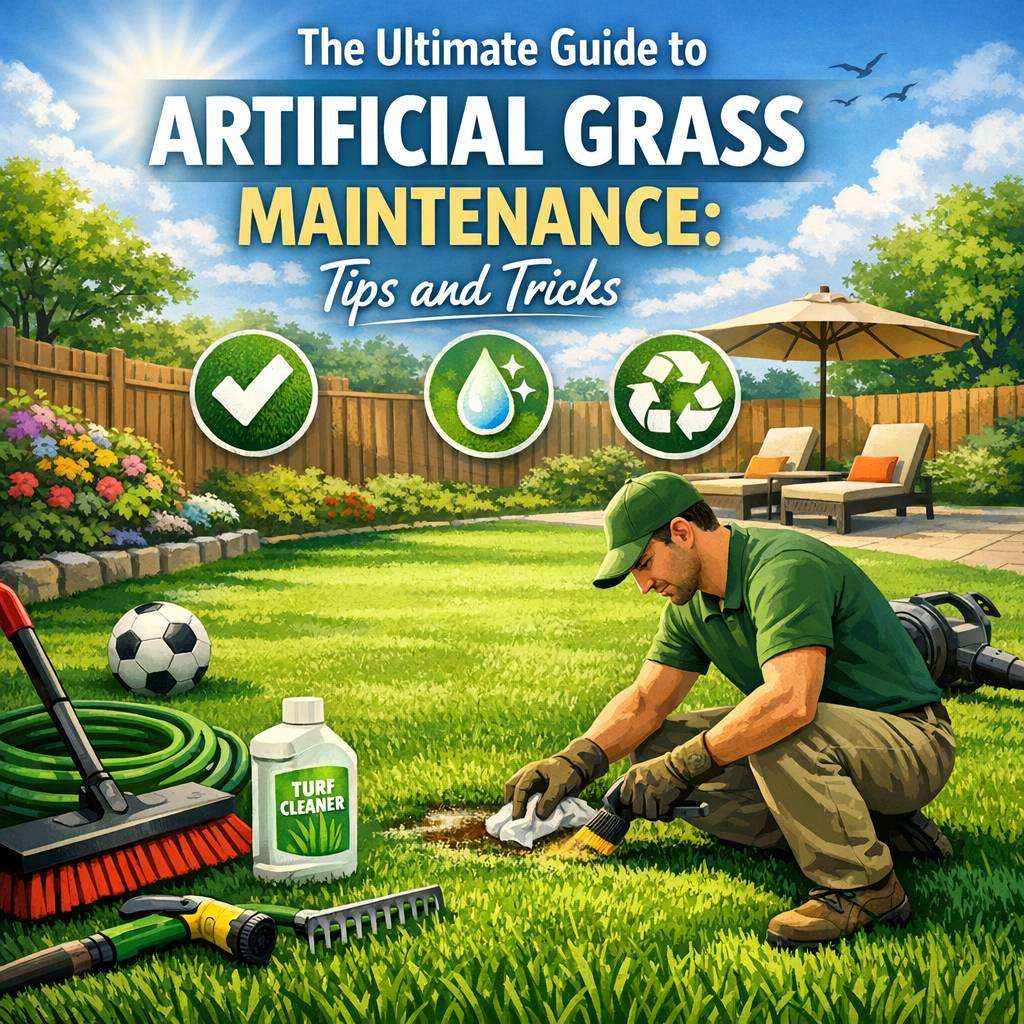
For effective artificial grass maintenance, regular cleaning and inspections are crucial. Discover tips and services that can help prolong the life of your lawn at https://www.artificialgrassmaintenance.co.uk, ensuring your space remains vibrant and functional year-round.
Artificial grass has gained immense popularity over the years, becoming a preferred choice for many homeowners, schools, and sports facilities. Known for its vibrant appearance and low maintenance needs, synthetic turf can create a beautiful, functional space for leisure and recreation without the hassle of maintaining natural grass. However, just because it’s easier to care for the upkeep of artificial turf doesn’t mean it’s entirely maintenance-free. An effective maintenance plan is essential to ensure your synthetic grass not only looks pristine but also lasts for years to come.
In the UK, various artificial grass maintenance packages and specialised services are available to help you look after your turf. This guide will delve into the key aspects of maintaining artificial grass, offering valuable tips and tricks to keep your surface in tip-top condition. Whether you’re looking to manage an artificial pitch maintenance regime or simply want to keep your garden’s turf looking fresh, you’ll find useful information here.
FAQ: Artificial Grass Maintenance
What is artificial grass maintenance?
Artificial grass maintenance refers to the regular care and upkeep required to keep synthetic turf in optimal condition. This includes cleaning, grooming, and inspecting the surface for damage or wear.
How often should I clean my artificial grass?
You should clean your artificial grass at least once a month. However, in high-traffic areas or after heavy rainfall, more frequent cleaning may be necessary to remove debris and pet waste.
What tools do I need for maintaining my artificial grass?
Essential tools for maintaining artificial grass include a leaf blower or rake for debris removal, a stiff-bristle brush or broom for brushing fibers upright, and a garden hose with spray nozzle for rinsing the surface. Additionally, you may use specialised turf cleaners if needed.
Can I use regular household cleaners on artificial grass?
No, it’s best to avoid using harsh chemicals or household cleaners on artificial grass as they can damage the fibers. Instead, opt for eco-friendly turf cleaners specifically designed for synthetic surfaces.
How do I remove pet waste from my artificial grass?
To remove pet waste:
- Pick up solid waste using a bag.
- Rinse the area with water to dilute urine odor.
- For persistent odors, you can use an enzyme-based cleaner formulated for synthetic lawns.
Should I ever mow my artificial grass?
No mowing is necessary! The blades of artificial grasses are designed to maintain their height without cutting. Regular grooming with a bristle broom is often enough to keep them standing upright.
How do I prevent weeds from growing in my artificial turf?
While quality installation will minimise weed growth through proper infill layers and backing materials, occasional manual weeding may be necessary.A pre-emergent herbicide can also help prevent weed growth; consult with your installer regarding safe options suitable for your specific type of turf.
Is it necessary to check the infill regularly?
Yes! Inspecting your infill (sand or rubber particles used between blades) helps ensure even distribution helping maintain stability & drainage of lawn while preventing compaction over time.The recommended frequency would be every 4–6 months but adjust based on foot traffic levels & climate conditions.
Can weather conditions affect my synthetic lawn maintenance routine?
Absolutely! Weather elements like rainstorms (thoroughly rinse away debris)and dry heat (may require increased cleaning due dust particles)can influence how frequently you need cleanings /maintenance routines—keeping an eye out throughout seasonal changes becomes crucial!
Feel free reach out again if you have additional questions about caring properly manage Benefits that come along maintaining Artificial Grass effectively long term without worry preservation!
Maintaining artificial grass is essential for longevity and appearance. Regular cleaning and checking for debris can enhance your outdoor space. For professional artificial grass maintenance services, visit https://turfresh.com/las-vegas/services/turfclean/.
Understanding Artificial Grass
Before diving into maintenance tips, it’s important to understand what artificial grass is made of and how it functions. Typically crafted from synthetic materials such as polyethylene, polypropylene, or nylon, artificial grass mimics the look of natural grass while offering various benefits, including durability and resilience against the elements. The infill, often made of rubber or silica sand, provides stability and cushioning, enhancing the feel of the surface underfoot.
Knowledge of these components is vital when it comes to maintaining artificial grass. This understanding will help you choose the right products and methods for cleaning and caring for your turf.
Proper artificial grass maintenance ensures longevity and appearance. Regular brushing, rinsing, and debris removal can keep your synthetic lawn looking pristine. Discover essential tools and tips for effective care here: https://coloradoartificialturf.com/essential-maintenance-tools-for-artificial-grass/.
Basic Maintenance Tips
Regular Brushing: One of the simplest yet most effective ways to maintain artificial grass is through regular brushing. Utilising a stiff-bristled broom or a turf rake helps lift the fibres and remove leaves, debris, and small stones that could make your lawn look untidy. Brushing also prevents the fibres from becoming flattened, ensuring a more natural look.
Debris Removal: Actively removing leaves, twigs, and other debris can help reduce the risk of mould and weed growth. Regularly clearing your turf not only keeps it looking neat but also prevents the buildup of organic matter that can compromise the integrity of the synthetic grass.
Hosing Down: To keep your turf looking fresh, it’s advisable to rinse it periodically with water. This helps remove dust and dirt while also flushing away any residues that could negatively impact the aesthetics of your grass. Use a hose without a jet spray attachment to avoid damaging the fibres.
Specific Cleaning Techniques
Cleaning artificial grass involves more than just hosing it down; specific techniques can address stubborn stains and odours effectively.
Spot Cleaning: For spills and stains, it’s important to act quickly. Use a mixture of warm water and mild detergent to treat the affected area. Apply the solution with a soft cloth or sponge, gently blotting rather than scrubbing, to avoid damaging the fibres.
Using a Wet-Dry Vacuum: For more extensive cleaning, consider using a wet-dry vacuum cleaner. This can help to remove debris, dirt, and moisture from the surface of your turf, making it a great option for larger areas or during autumn when leaves are falling.
Deodorising: To combat any unpleasant odours, particularly if your artificial grass is used as a pet area, sprinkle baking soda over the affected area. Allow it to sit for several hours before vacuuming it up. Baking soda is non-toxic and highly effective in neutralising smells.
Artificial grass maintenance is essential for keeping your synthetic lawn looking pristine year-round. Regular upkeep, such as brushing to prevent matting and removing debris, ensures the longevity of your turf. For comprehensive tips on care, visit https://magnoliaturf.com/maintaining-artificial-grass-texas/. Additionally, rinsing with water can help remove dust and allergens, making your artificial grass a safe and enjoyable space for family and pets.
Artificial Grass Maintenance Frequencies
Maintaining artificial grass does not require the same intensity as natural grass, but establishing a schedule can help maintain its appearance and longevity.
-
Weekly: Brush your artificial grass and remove any debris. If you have pets, inspect for any mess that needs to be cleaned.
-
Monthly: Rinse your turf with a hose to remove dirt and dust. Check for any loose seams or damaged areas that may need repair.
-
Bi-Annually: Undertake a deeper clean with a wet-dry vacuum, inspect for signs of wear, and make any necessary repairs. Professional artificial grass maintenance services can be beneficial during this phase to ensure your grass is in optimal condition.
Weekly: Brush your artificial grass and remove any debris. If you have pets, inspect for any mess that needs to be cleaned.
Monthly: Rinse your turf with a hose to remove dirt and dust. Check for any loose seams or damaged areas that may need repair.
Bi-Annually: Undertake a deeper clean with a wet-dry vacuum, inspect for signs of wear, and make any necessary repairs. Professional artificial grass maintenance services can be beneficial during this phase to ensure your grass is in optimal condition.
Using Professional Services
For those who prefer a hands-off approach or require specialised knowledge, engaging an artificial grass maintenance service can be an excellent option. These services often offer comprehensive maintenance packages that cover everything from gentle brushing to the in-depth cleaning of your turf, ensuring a professional finish that you may find difficult to achieve on your own.
Professional services often have access to specialised equipment and cleaning solutions designed for maintaining artificial pitch surfaces. This expertise can be invaluable, particularly in larger installations or high-traffic areas.
Preparing for Seasonal Changes
English weather can be unpredictable, and preparing your artificial grass for seasonal changes is essential. During autumn, ensure that you’re regularly removing leaves and debris to prevent mould and mildew growth. In winter, while snow can be brushed away, it’s prudent to avoid using a shovel that could damage the grass fibres.
Maintaining your artificial grass throughout the seasons guarantees that it remains lush, vibrant, and enjoyable, regardless of the time of year. Whether you are handling maintenance yourself or opting for professional assistance, a commitment to keeping your turf in excellent shape will ensure its longevity and aesthetic appeal.