
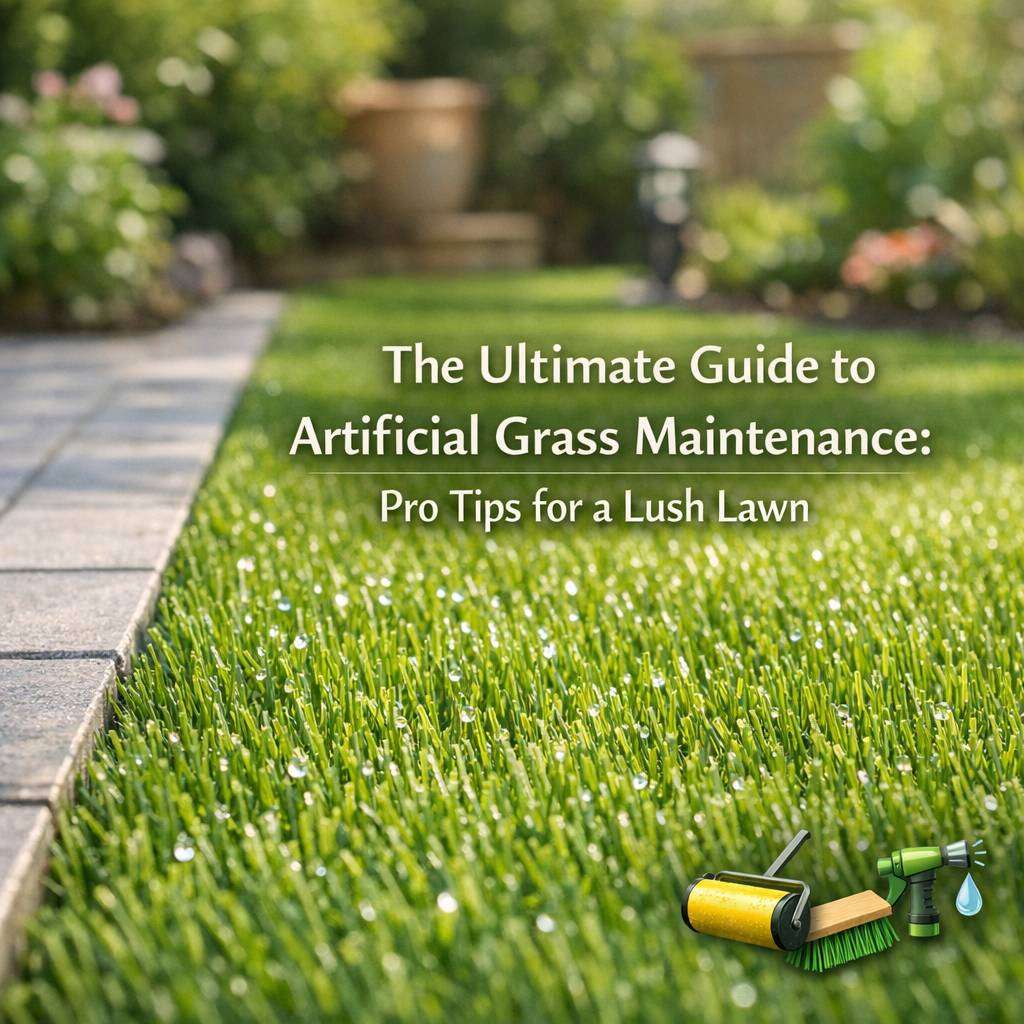
Artificial grass has come a long way from its early, stiff days. Today’s varieties offer natural-looking colour, softness underfoot, and a durability that stands up to kids, pets, and British weather. But to keep your synthetic turf looking pristine for years, proper maintenance is essential. This guide provides expert, practical tips on artificial grass care and maintenance, with a focus on efficiency, longevity, and value.
Understanding the basics of artificial grass maintenance
First, recognise that artificial grass is designed for low maintenance relative to real turf, but it is not maintenance-free. Regular tasks—clearing debris, brushing fibres, and periodic infill checks—help retain nap, softness, and drainage. A proactive approach reduces the risk of matting, odours, and turf discolouration, especially during autumn leaves, winter rains, or summer dust.
Daily and weekly routines for upkeep
- Clear debris: Remove leaves, twigs, and litter with a leaf blower, stiff broom, or a plastic rake. Kickstruts of pine needles or conifer litter can accumulate; a daily sweep during heavy shedding months makes a noticeable difference.
- Rinse as needed: On hot days, lightly rinse the surface with water to cool the fibres and reduce dust. In dry spells, a periodic gentle rinse helps prevent surface static and keeps the sheen.
- Brush fibres: Use a stiff nylon brush or a powered broom to lift the fibres in a vertical direction. Brushing weekly maintains the turf’s natural upright appearance and prevents nap flattening, particularly in high-traffic zones like play areas and entrances.
Seasonal considerations for British conditions
- Spring: After the wet winter, check for pooling water or drainage issues. Clear any blocked drainage channels and ensure the infill remains evenly distributed.
- Summer: Intensely used lawns can compact fibres and lead to flattened patches. Increase brushing frequency and inspect for bare patches or wear along edges.
- Autumn: Fallen leaves can mat quickly. Use a gentle rake or leaf blower to prevent leaves from decomposing on the surface, which can promote odours if left long.
- Winter: In wetter climates, occasionally rinse after heavy rainfall to maintain hygiene. If frost occurs, avoid aggressive brushing on solid frost to protect the fibres.
Maintaining a pristine playing surface requires regular care and knowledge of artificial grass maintenance. Consistent brushing, debris removal, and occasional cleaning prevent matting and prolong lifespan. For detailed guidance, see this resource in the second half: https://www.tenniskit24.com/guides/artificial-grass-court-maintenance/
Maintenance tasks that protect performance and appearance
- Infill and drainage checks: If your artificial grass uses sand or rubber infill, monitor depth regularly. Uneven infill can affect drainage and traction. Refill as necessary to the manufacturer’s recommended level.
- Joint and seam inspection: Inspect seams for lifting or curling, especially along edges and transitions. If you notice loosening, consult your artificial grass maintenance service to re-seal or re-secure seams as needed.
- UV protection: Most modern artificial grasses are UV-stabilised, but prolonged exposure without care can cause fading. Keep the lawn free from aggressive chemicals and use a compatible sanitiser or maintenance product designed for synthetic turf.
- Pet odour management: For households with pets, rinse areas where waste occurs promptly. An occasional spray with a mild anti-bacterial solution (appropriate for synthetic surfaces) helps keep odours under control.
Cleaning and sanitising strategies
- Regular cleaning: A weekly sweep and a monthly rinse with clean water maintain hygiene and appearance.
- Stain removal: For spillages, blot promptly and avoid harsh scrubbing. Mild detergent diluted in water, followed by thorough rinsing, is usually sufficient for most household stains.
- Algae and moss control: In damp, shady spots, algae and moss can appear. Use a specialised artificial grass cleaner or dilute white vinegar solution, applying gently and rinsing thoroughly. Avoid household bleach, which can degrade fibres and backing over time.
Keeping edges and borders neat
- Edges: Secure edges with appropriate edging methods to prevent lifting. Trim vegetation nearby that could encroach or shade the turf, reducing longevity and performance.
- Borders and pathways: Ensure that pathway traffic remains even and that no heavy concentrated loads press into soft edges. Reinforce with weed suppressor membrane if necessary to maintain structure.
When to call in the professionals
- Persistent drainage issues: If water pools on the surface for extended periods after rainfall, a professional assessment may be needed to evaluate sub-base drainage.
- Severe matting or wear: Large, permanently flattened patches or widespread edges lifting may require professional re-laying or seam resecuring.
- Odour or discolouration that doesn’t respond to standard cleaning: A maintenance artificial grass service can diagnose underlying issues and apply appropriate treatment.
- Artificial grass maintenance near me: Local specialists can offer on-site assessments, guided maintenance regimens, and routine upkeep plans tailored to weather patterns and usage.
Selecting the right maintenance plan and service
- Frequency: Depending on usage, climate, and footfall, decide whether a quarterly, biannual, or annual maintenance plan fits best.
- Scope: Clarify whether the plan covers debris removal, brushing, infill checks, edge securing, and sanitisation.
- Equipment and products: Ensure that cleaners and tools are compatible with your synthetic turf to avoid fibre damage.
- Guarantees: Ask about coverage for wear, seam integrity, and drainage performance post-service.
Regular outdoor areas benefit from routine artificial grass maintenance to keep blades vibrant and drainage clear. Schedule seasonal checks, remove debris, and brush surfaces to prevent matting. Use light cleaners when needed and avoid harsh chemicals. For more detailed guidance, consult expert tips and resources. artificial grass maintenance for in-depth techniques and professional care recommendations.
DIY maintenance checklist
- Gather a stiff brush, leaf blower, and clean water.
- Brush fibres against the nap weekly; rinse occasionally.
- Clear debris and leaves daily during autumn.
- Check seams and edges at least twice a year; arrange professional inspection if you notice issues.
- Use only approved cleaners and avoid harsh chemicals.
FAQ: Artificial Grass Maintenance
What is artificial grass maintenance?
Artificial grass maintenance refers to the routine care and tasks that help synthetic turf look and perform like new. This includes regular brushing to lift blades, removing debris, hose-down cleaning, addressing odors, and periodic infill checks to maintain cushioning and drainage.
How often should I brush artificial grass?
Brush frequency depends on usage and sun exposure. Generally:
- Light residential use: 1–2 times per week
- High-traffic areas or kids and pets: 2–3 times per week
- Corner cases or new installations: 1–2 times weekly for the first month, then maintenance brushing thereafterUse a stiff-bristle brush or a power broom to keep blades upright and evenly distributed.
How do I clean spills or pet urine on artificial grass?
For spills remove solids and rinse the area with water. For pet urine, rinse with water, then apply a mild detergent if needed and rinse again. Odors can be neutralised with a diluted vinegar solution or a commercially available turf deodoriser. Allow the area to dry completely.
Can I pressure wash artificial grass?
Yes, but use low pressure (less than 500 psi) and a wide spray nozzle to avoid lifting or damaging the backing. Keep the spray at a safe distance and avoid concentrated spots. Allow the turf to dry thoroughly afterward.
How do I remove stains from artificial grass?
Most stains (food, ink, drinks) can be treated with a mild household detergent and a soft brush. For tougher stains, a diluted bleach solution may be used on white or light-coloured turf, then thoroughly rinsed. Always test a small, inconspicuous area first and follow manufacturer guidelines.
How often should I rinse or hose down the turf?
Rinse periodically to remove pollen, dust, and debris, especially in dusty or dry climates. In hot weather or after rainfall, a quick rinse can help cool the surface and keep it fresh. Frequency depends on environment and usage.
Do I need to add infill or replace it over time?
Some artificial grasses require infill (sand, rubber) to weigh blades, provide cushioning, and aid drainage. Infill may settle or compact over time and may need topping up or replacement every 2–5 years, depending on traffic and product type.
How do I maintain the drainage system?
Ensure drainage holes or perforations are unobstructed by leaves or debris. Regularly remove fallen leaves, pine needles, and other debris near drainage channels to maintain proper runoff.
Can I use household cleaners on artificial grass?
Yes, most mild dish soap or detergent solutions are safe. Avoid harsh solvents, bleach-heavy products, or acetone unless recommended by the turf manufacturer. Always rinse thoroughly after cleaning.
What products should I avoid on artificial grass?
Avoid using wax-based cleaners, solvents, or oil-based chemicals, as well as sharp objects that can cut or fray the blades. Do not use hot-tub-based cleaners or heavy power-washing with excessive pressure.
How do I prevent pests and odors?
Regular rinsing and brushing help. For pet areas, clean up waste promptly and rinse the area. Use turf-safe deodorising sprays if odors persist. Ensure proper drainage to prevent standing moisture.
How long does artificial grass maintenance take?
Routine maintenance typically takes 10–30 minutes per week for standard residential installations, depending on size and use. Deep cleaning or professional service may take longer.
When should I call a professional for maintenance?
If you notice persistent odors, persistent staining, excessive wear, drainage issues, or visible backing damage, contact a turf professional. Also consult the manufacturer’s guidelines for recommended service intervals.
Can maintenance extend the life of artificial grass?
Yes. Regular brushing, removal of debris, proper cleaning, and appropriate infill management help preserve blade height, colour, drainage, and cushioning, extending the turf’s lifespan.
Is there seasonal maintenance I should follow?
- Spring: remove pollen, debris, and perform a thorough brushing; inspect for wear after winter.
- Summer: rinse to cool the surface and prevent heat-related glare or odors; ensure drainage remains clear.
- Autumn: rake leaves regularly to prevent matting; check infill levels.
- Winter: keep pathways clear of ice and avoid metal tools that could damage blades; brush if snow packs down the fibers.
If you’d like, I can tailor these FAQs to a specific installation type (residential lawn, playground turf, rooftop artificial grass, or sports fields) or align with a particular turf brand’s guidelines.
Conclusion: professional support to maintain artificial grass’s beauty
Maintaining artificial grass involves regular, mindful care rather than sporadic deep cleans. By adopting a structured routine—combining daily sweeps, weekly brushing, seasonal checks, and periodic professional assessments—you can preserve the lush appearance and long-term performance of your lawn. If you’re exploring options, consider maintenance artificial grass services or artificial grass maintenance UK providers to tailor a plan to your specific landscape, budget, and usage. For those seeking “artificial grass maintenance near me,” reputable local specialists can deliver efficient, reliable results that extend the life of your investment.