
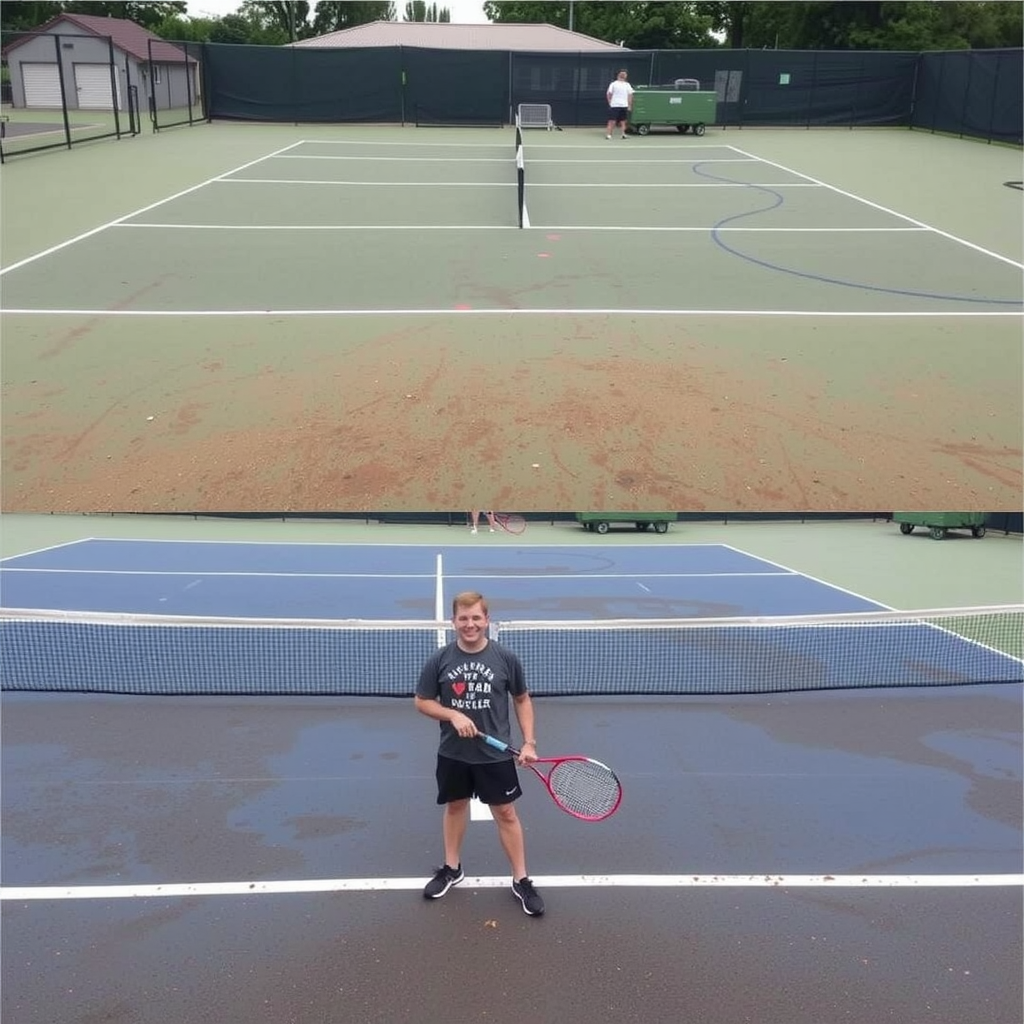
Maintaining the pristine condition of your tennis court goes beyond just ensuring an even surface for play; it necessitates a comprehensive cleaning regimen that preserves the court’s integrity and enhances its aesthetic appeal. This guide will provide you with essential tips and techniques for effective tennis court cleaning, focusing on various types of court surfaces including artificial grass tennis courts and traditional grass courts. With exhaustive care, you’ll not only prolong the lifespan of your tennis court but also ensure an optimal playing experience.
Understanding Different Court Surfaces
Before delving into cleaning techniques, it’s crucial to identify the various types of tennis court surfaces and their specific maintenance needs. Two common types are artificial grass tennis courts and tennis grass courts.
Artificial Grass Tennis Courts
Artificial grass tennis courts have gained popularity due to their durability and low upkeep requirements. However, regular cleaning is essential to prevent the accumulation of dirt, debris, and algae. Here are some effective tips for cleaning artificial grass tennis courts:
Regular Sweeping: Use a stiff broom or a specialised artificial grass rake to remove loose debris regularly. This will prevent any build-up that might damage the court over time.
Deep Cleaning: Periodically, you should perform a deep cleaning using a pressure washer set to a low pressure, ensuring not to damage the turf. A diluted solution of gentle detergent can help remove stains and persistent dirt.
Deterring Weeds and Moss: Keep an eye out for weeds and moss growth. A mixture of vinegar and water can be an effective homemade remedy to deter these, but make sure to test a small area before widespread application.
Sanding: Occasionally, adding silica sand to your artificial grass can help improve its stability and playability. This can be done approximately once a year or as needed, depending on court usage.
Tennis Grass Court Maintenance
Natural grass courts require a different approach to maintenance and cleaning. Here are some key steps to uphold the quality of a tennis grass court:
Mowing Regularly: Keeping the grass at an optimal height is vital. Regular mowing promotes healthy grass growth and ensures a consistent playing surface.
Aeration: To prevent soil compaction, which can impede drainage and root development, aerate the court at least once per season. This process involves perforating the soil, allowing air, water, and nutrients to penetrate.
Weeding and Pest Control: Monitor the court for weeds and pests that can affect the grass’s health. Use organic herbicides and insecticides when necessary, ensuring a balance between protecting the environment and maintaining your court.
Maintaining a pristine tennis court is essential for optimal play and safety. Regular tennis court cleaning not only enhances the court’s appearance but also prolongs its life. Proper cleaning solutions can remove debris, stains, and algae, ensuring a safe playing environment. For effective cleaning products, check out this resource: https://www.10-s.com/products/hard-court-supplies/hard-court-cleaning-solutions. Invest in quality maintenance to keep your court in top condition year-round.
Incorporated Maintenance Techniques
FAQ: Tennis Court Cleaning
What is tennis court cleaning?
Tennis court cleaning involves the thorough maintenance and upkeep of both indoor and outdoor tennis courts. This process removes dirt, debris, mold, algae, and other contaminants that can affect the playing surface and overall appearance of the court.
Why is it important to clean a tennis court regularly?
Regular cleaning of a tennis court is essential for maintaining safe playing conditions. Dirt and debris can make surfaces slippery or uneven, leading to potential injuries. Additionally, regular maintenance helps prolong the lifespan of the court surface.
How often should I clean my tennis court?
The frequency of cleaning depends on various factors such as location, weather conditions, and usage. Generally, it’s recommended to clean outdoor courts every 2-4 weeks during peak play seasons and less frequently during off-seasons or in protected environments.
What equipment do I need for tennis court cleaning?
Essential equipment for tennis court cleaning may include:
- Blower or broom for loose debris
- Pressure washer (if applicable)
- Cleaning solutions appropriate for your specific surface (e.g., clay, acrylic)
- Scrubbing brushes
- Water hose
Can I clean my own tennis court or should I hire a professional service?
While straightforward tasks like sweeping might be manageable on your own, more intensive deep-cleaning processes are often best handled by professionals who understand proper techniques and treatments suited to each specific type of surface material.
Are there any eco-friendly options for cleaning a tennis court?
Yes! Many companies now offer eco-friendly cleaning solutions that utilise biodegradable materials instead of harsh chemicals. Always inquire about green alternatives when hiring professional services or selecting DIY products.
How long does it typically take to clean a full-sized tennis court?
The duration depends on several factors including the degree of dirt buildup and whether you’re engaging in light upkeep versus deep-cleaning. Typically cursory cleanings can take just an hour while deeper cleans may require several hours.
Will regular cleaning help enhance performance on the courts?
Absolutely! A well-maintained surface ensures optimal playability by providing consistent bounce levels while reducing risks associated with slips due to unwanted residue accumulation—thereby promoting safer play!
If you have further questions about how we can assist with your tennis court cleaning, feel free to reach out!
Tennis Court Resurfacing and Repairs
Over time, even the best-maintained courts may suffer from wear and tear, necessitating tennis court repairs and resurfacing. Here are essential maintenance practices:
Regular Inspections: Inspect your court for cracks, holes, or surface irregularities. Addressing these issues promptly can prevent further damage and costly repairs later.
DIY Repairs for Minor Damage: Depending on the severity of the damage, minor fixes such as filling cracks with a suitable filler material can often be accomplished without professional assistance.
Professional Resurfacing: For more extensive issues or if the surface has significantly deteriorated, consider professional resurfacing. This process rejuvenates the court, maintaining its functionality and appearance.
Cleaning Before Resurfacing: Prior to resurfacing, ensure the court is thoroughly cleaned to remove dirt and debris. This helps in adhering the new layer to the old surface more effectively.
Seasonal Maintenance Schedule: Establish a seasonal maintenance schedule to consistently inspect and repair your tennis court. Regular upkeep not only extends the life of the court but also enhances its playable condition for users.
Tennis court cleaning is essential for maintaining optimal play conditions and prolonging the lifespan of the surface. Regular maintenance ensures safety and enhances performance. For effective cleaning services, check out this link: https://www.artificialgrassmaintenance.co.uk/acrylic-hard-tennis-courts.
Tools and Equipment for Effective Cleaning
Investing in the right tools can significantly enhance your tennis court cleaning efforts. Here’s a list of recommended equipment for maintenance:
-
Brooms and Rakes: For regular debris removal; a specially designed turf rake can be particularly useful for artificial grass.
-
Pressure Washer: A versatile tool for deeper cleaning of both artificial grass and hard courts. Make sure to use it at a low pressure to avoid damaging the surfaces.
-
Aerator: Vital for natural grass courts to encourage healthy growth and drainage.
-
Knapsack Sprayer: For applying herbicides or cleaning solutions without overspray, ensuring targeted application.
-
Sand Spreader: An essential tool for evenly distributing silica sand on artificial grass surfaces.
Brooms and Rakes: For regular debris removal; a specially designed turf rake can be particularly useful for artificial grass.
Pressure Washer: A versatile tool for deeper cleaning of both artificial grass and hard courts. Make sure to use it at a low pressure to avoid damaging the surfaces.
Aerator: Vital for natural grass courts to encourage healthy growth and drainage.
Knapsack Sprayer: For applying herbicides or cleaning solutions without overspray, ensuring targeted application.
Sand Spreader: An essential tool for evenly distributing silica sand on artificial grass surfaces.
By adopting these practices and being proactive in tennis court cleaning and maintenance, you can ensure that your court remains in optimal condition, providing an excellent playing experience for all users. Whether you are managing a public facility or maintaining a private court, these guidelines will serve you well in preserving the quality and longevity of your tennis court.