
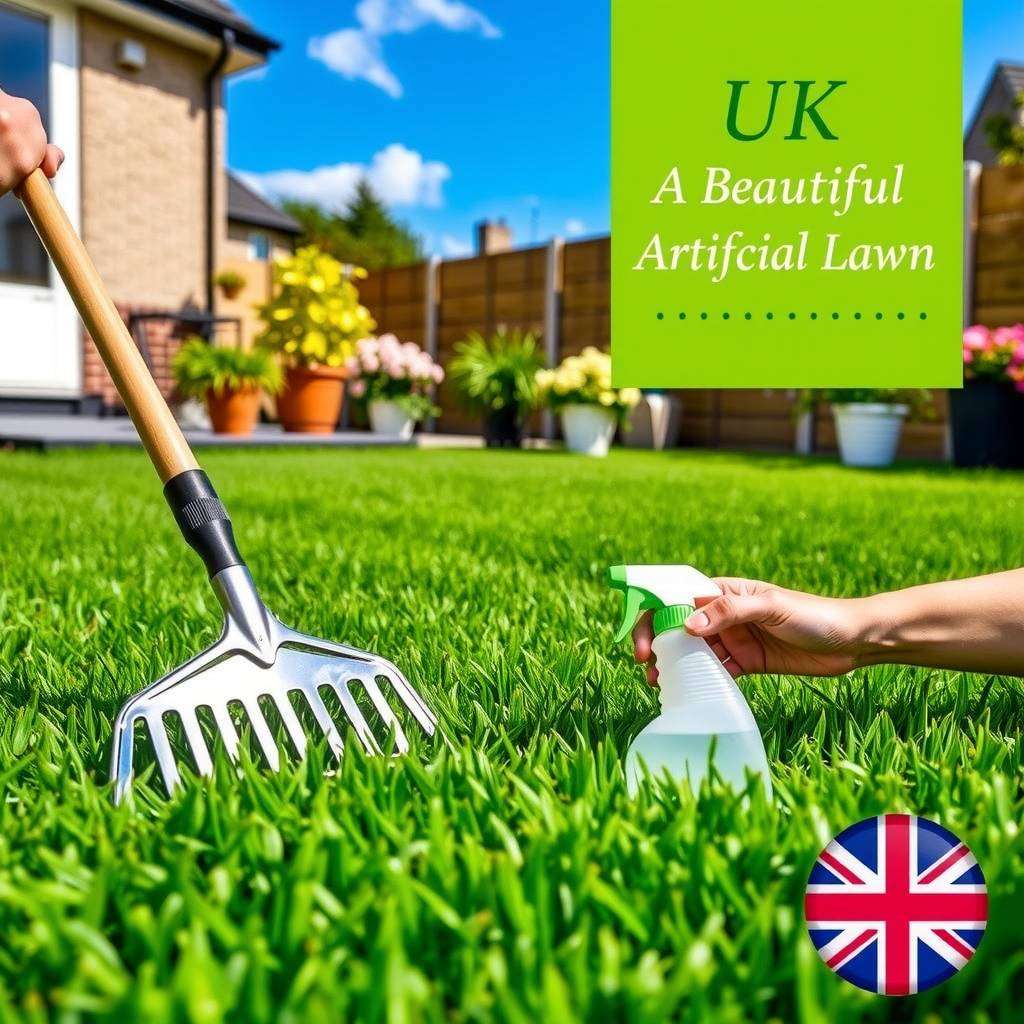
Artificial grass offers a luscious, low-maintenance lawn alternative to natural grass, making it a popular choice for homeowners and businesses alike. However, just because it requires less upkeep doesn’t mean it doesn’t need any. Proper artificial grass maintenance is essential for preserving its appearance and longevity. Below, we explore some key tips for maintaining artificial grass to keep your outdoor space looking pristine.
Understanding Artificial Grass
Before diving into specific maintenance techniques, it’s crucial to understand what artificial grass is made of and how it differs from natural grass. Typically crafted from polyethylene, polypropylene, or nylon, artificial grass is designed to mimic the look and feel of real grass while offering resilience and durability. Unlike natural turf, which requires regular mowing, watering, and fertilisation, artificial turf primarily needs cleaning and brushing to maintain its structure and appearance.
Routine Cleaning of Your Artificial Grass
Regular cleaning is fundamental to artificial grass maintenance near me. Depending on your location and how much traffic your lawn receives, you should aim to clean your artificial grass every few weeks. Start by removing any loose debris, such as leaves, dirt, and twigs, with a leaf blower or a stiff broom. After that, hose down the turf to dislodge any dirt or dust. A gentle scrub with a soft-bristle broom can help displace stubborn stains, ensuring your grass remains lush and vibrant.
For larger artificial grass installations, you may benefit from hiring an artificial grass maintenance service. These professionals are equipped with the right tools and knowledge to ensure your artificial pitch maintenance is conducted correctly, providing a deep clean that goes beyond surface-level maintenance.
FAQ: Artificial Grass Maintenance Near Me
What is artificial grass maintenance?
Artificial grass maintenance involves the care and upkeep of synthetic turf to ensure it remains in good condition, looks its best, and lasts for many years. This can include tasks such as brushing, cleaning, infill replacement, weed control, and repairs.
Why is artificial grass maintenance important?
Regular maintenance of artificial grass is crucial for preserving its appearance and functionality. Proper care helps prevent issues like compaction, odors from pet waste, weeds growing through the turf, and general wear and tear. Routine maintenance also ensures a safe play area for kids and pets.
How often should I maintain my artificial grass?
Maintenance frequency can depend on several factors including foot traffic levels and local weather conditions. Generally speaking:
- Light use: Every 4-6 weeks
- Moderate use: Every 2-4 weeks
- Heavy use: Weekly
Adjust your schedule based on how quickly your lawn shows signs of wear or debris accumulation.
Can I perform maintenance on my own?
Yes! Many homeowners prefer to do basic upkeep themselves. You can brush the turf to stand up fibers, remove debris using a leaf blower or rake, check drainage systems regularly for blockages, and clean spills promptly with mild soap and water. However, if you need more extensive services like deep cleaning or repairs requiring specialised knowledge or equipment (e.g., infill adjustments), hiring professionals may be best.
What types of professional services are available for “artificial grass maintenance near me”?
Professional services might include:
- Deep cleaning: Removing dirt buildup using power washing techniques.
- Weed control: Applying weed-inhibiting measures effectively without harming the turf.
- Infill replacement: Adding new material to support blades that may have flattened over time.
- Repairs: Fixing seams that have come apart or addressing other damages caused by weather or heavy usage.
Consult local providers to find out what specific services they offer.
How much does artificial grass maintenance cost?
Costs vary widely based on location (i.e., “near me”), the size of your lawn area needing service, extent of service required (basic vs comprehensive), and whether you choose DIY methods versus hiring a professional service provider. Typically costs might range from $50-$300 per visit; however obtaining quotes from local service providers will give you better insight into pricing.
Where can I find reliable artificial grass maintenance services near me?
You can start your search by looking online through search engines with terms like “artificial grass maintenance near me” which will provide localised results including customer reviews & ratings websites like Yelp or Angie’s List might also showcase credible providers within your area. Always check credentials before hiring a service!
These FAQs aim to serve as a helpful resource when considering any aspect related to maintaining your synthetic lawn effective while ensuring you’re well-informed about potential options available locally!
Dealing with Stains and Spills
In life, spills are inevitable—even on your artificial grass. Fortunately, maintaining artificial grass is straightforward when it comes to addressing stains. For liquid spills, promptly blot the area with a soft cloth or paper towel. For solid debris, simply pick it up by hand. For tougher stains, such as oil or food, a mixture of warm soapy water can be effective. Apply the solution, scrub gently with a soft-bristle brush, and rinse thoroughly. Always remember to avoid harsh chemicals and bleach, as they can cause irreversible damage to your artificial turf.
Looking for reliable artificial grass maintenance near me? Discover expert services at https://www.artificialgrassmaintenance.co.uk to keep your lawn pristine. Enjoy a lush, vibrant landscape without the hassle of traditional upkeep. Contact us today!
Protecting Against Weeds
Though artificial grass is designed to combat weed growth, occasionally, a stray weed may make its way through. Regularly inspect your lawn for any unwelcome visitors, pulling these out by hand as soon as you see them. Allowing weeds to take root can lead to more significant issues down the line. For an extra layer of protection, consider using a high-quality weed barrier fabric underneath your artificial grass, if not already in place.
Brushing and Raking
The fibrous nature of artificial grass necessitates regular brushing. This process helps to restore the upright position of the blades, which can become flattened over time due to foot traffic or weather conditions. Use a stiff-bristle broom or a specialised grass rake for this task. Brush against the grain to achieve the best results. This should be part of your regular artificial grass maintenance routine—ideally, doing so every month will keep your lawn looking lush and inviting.
Dealing with Heavy Foot Traffic
If your artificial grass sees significant foot traffic, you’ll need to pay extra attention to those areas. Consider placing mats or stepping stones in high-traffic zones to distribute the weight and prevent turf matting. Additionally, regular brushing is vital for these areas to maintain their aesthetic appeal and to avoid wear and tear.
Securing the Edges
Proper installation is the foundation of artificial grass maintenance in the UK, but over time, the edges can become lifted or frayed. Regularly checking these edges can help you avoid more complex repairs in the future. If you notice any lifting, secure the edges with landscaping adhesive or similar products. Maintaining the integrity of these edges will also prevent water from pooling under your turf.
Protecting Against the Elements
Artificial grass is designed to withstand the rigours of weather, but there are steps you can take to protect your lawn from the elements. During heavy snowfall, you can remove snow from your artificial grass using a soft-bristle broom or a plastic shovel. Avoid using metal tools that could damage the blades. If your area is prone to extreme heat, periodic hosing down can prevent your lawn from heating excessively, which can affect its appearance and texture.
Regular Inspections
Regular inspections are a critical component of artificial grass maintenance. Take time to walk your lawn at least once a month, checking for signs of damage, matting, or discolouration. Early detection of issues can often reduce the cost and extent of repairs needed, keeping your turf in top condition.
By following these tips for maintenance of artificial grass, you can ensure that your artificial lawn remains lush, inviting, and functional, complementing your outdoor space beautifully. Whether you choose to tackle the maintenance yourself or engage an artificial grass maintenance service, staying proactive will provide rewards for years to come.